




With the ever-evolving digital marketing landscape, businesses nowadays aren’t competing only on the quality of their products/services. The primary focus is on relevance. Based on intent and behavior, how effectively the business succeeds in recommending the right products, content, or offers to the right customers at the right time matters.
However, achieving this is significantly challenging. Many businesses fail to capture real customer intent, connect information across every touchpoint, and translate user behavior into genuine, personalized recommendations. Users arrived, explored briefly, and left without engaging deeply. Content on the website was carefully curated and strategically created and wasn’t being consumed as expected. Even loyal visitors found it difficult to discover material that truly matched their interests.
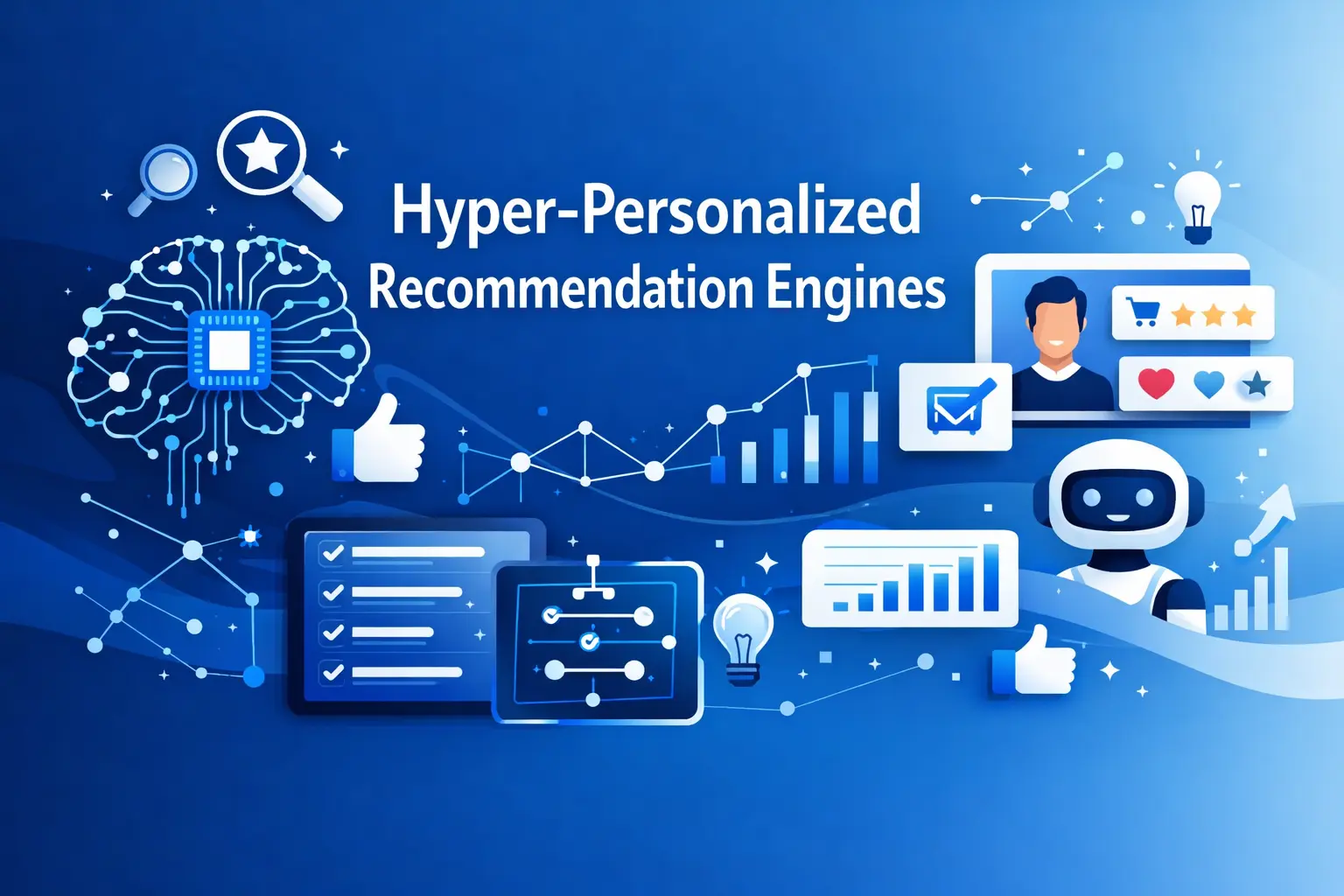
In this case study, you will understand how the hyper-personalized recommendation engines from Amenity Technologies helped a business transform user experience by aligning content delivery with individual user intent, behavior, and preferences.
The Undesirable Situation: When Content Felt Generic
Despite maintaining a strong digital presence, our business client began noticing a concerning pattern. Customer engagement metrics were flattening, session durations were shortening, and repeat visits were becoming less frequent.
Although the website was well-maintained, it delivered the same recommendations to broad user segments, assuming similar interests across all visitors. This approach proved ineffective. This one-size-fits-all approach weakened relevance and limited meaningful user engagement.
Most of the users felt like content suggestions were repetitive, recommendations were lacking relevance, product/service discovery required too much effort, and the platform “didn’t understand” their interests. Over time, this disconnect was the reason for a quiet reduction in customer engagement and weakened the platform’s perceived value, even though the content itself remained strong.
The Core Problem: One-Size-Fits-All Content Delivery
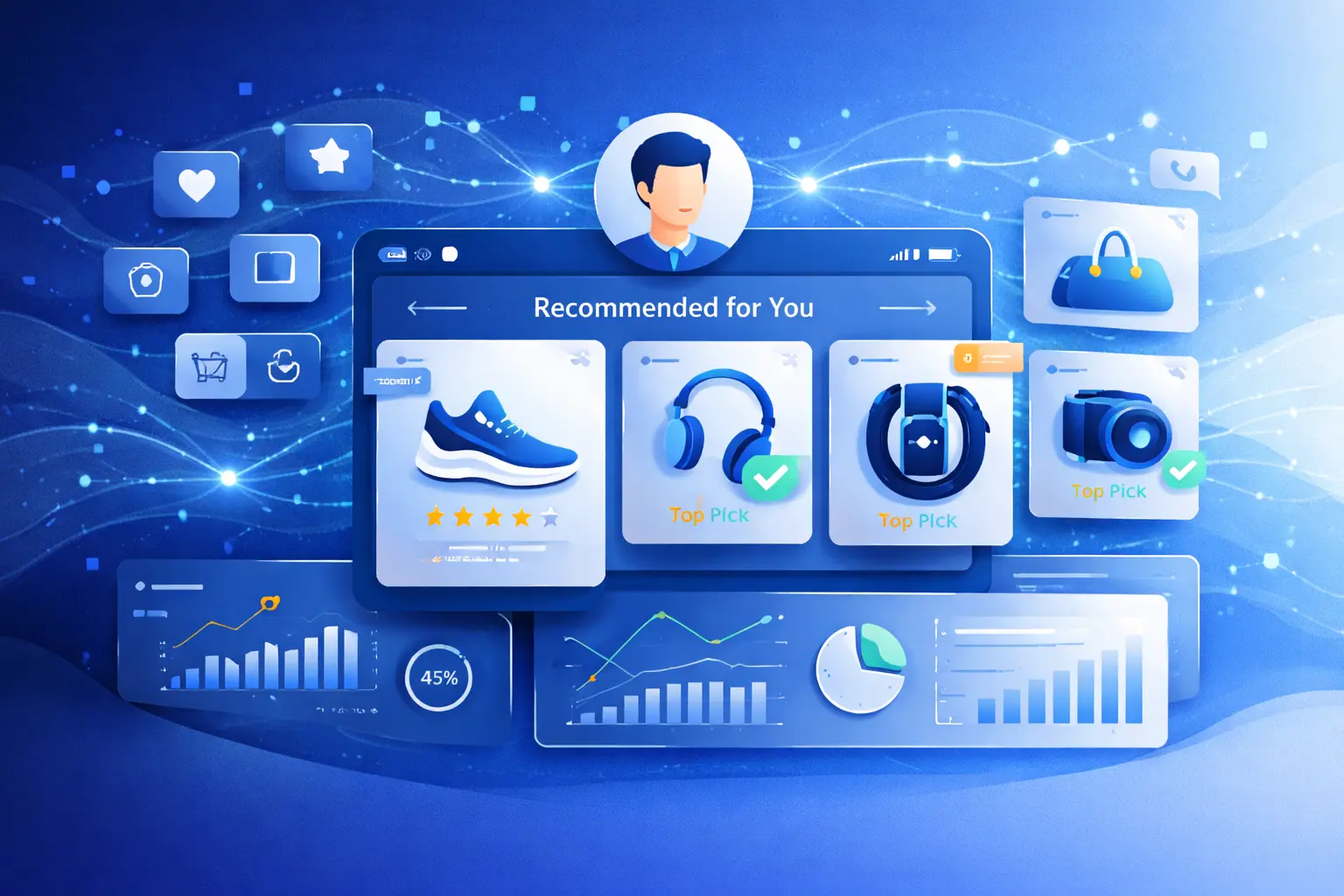
As the platform expanded, so did the diversity of its audience. Users came with different goals, preferences, consumption patterns, and levels of familiarity. However, the recommendation logic remained largely static. The executives understood the key challenges:
- Content recommendations were based on broad categories
- User intent was not analyzed in real time
- Returning users saw similar suggestions repeatedly
- New users struggled to find relevant entry points
- Engagement signals were underutilized
The result was decision fatigue. Users were required to manually search, scroll, and filter. The actions that modern digital audiences find frustrating. What the client needed was not more content, but a smarter way to present it. And Amenity Technologies was ready with the right solution.
The Solution: Hyper-Personalized Recommendation Engines
When the business client came to Amenity Technologies and asked for an effective solution, we proposed implementing hyper-personalized recommendation engines designed to adapt to individual users rather than generalized segments.
While building the solutions for them, we had a clear objective in mind: to deliver the right content to the right user at the right moment. All of this was automated and streamlined for efficiency and scale.
Instead of relying on static rules or limited behavioral signals, the recommendation engine was designed to continuously learn from user interactions. It leveraged AI technology to assess real-time user behavior and context, enabling a highly personalized product and content suggestions.
By taking a step ahead from broad customer segments, the solutions helped the business enable dynamic experiences that feel strongly relevant, improving engagement and making them feel understood. Ultimately, the hyper-personalized recommendation engines enabled a shift from “popular and most preferred content” to “personal relevance.”
How We Designed the Hyper-Personalized Recommendation Engine
Our expert development team developed the hyper-personalized recommendation engine with flexibility, scalability, and user-centric design in mind. The focus was not only on what users consumed, but how and why they engaged. They planned the solution with a layered strategy to ensure the best outcome. Key design principles that were followed while development process are:
- Individual-level personalization rather than broad user segmentation
- Continuous learning from real-time behavior
- Context-aware recommendations based on user intent
- Transparent logic that aligned with business objectives
- Seamless integration into existing digital business touchpoints
The engine was designed to evolve with users, ensuring recommendations remained fresh rather than repetitive.
Core Capabilities of the Hyper-Personalized Recommendation Engine
1. Content Recommendations Based on User Behaviors
Customer interactions involving clicks, scroll depth, dwell time, and patterns of revisiting were thoroughly analyzed by the hyper-personalized recommendation engines. These acted as indicators that assisted the system with understanding the type of content that genuinely resonated with each user.
2. Context-Aware Personalized Recommendations
We ensured that the hyper-personalized recommendation engines dynamically adjusted recommendations based on context like visit time, type of the device, and recent web-based activities. This strategic approach helped the system keep the content suggestions relevant in real time, instead of just being historically accurate.
3. Adaptive Learning Models
The hyper-personalized recommendation engines rely on advanced AI and ML, allowing them to refine their understanding as users start to engage more. Over time, preferences evolved naturally, and the recommendation logic evolved alongside them, eliminating the need for human intervention.
4. Personalized Content Paths
The system created content journeys to simplify discovery by guiding users toward the most relevant products and content rather than presenting isolated recommendations. Based on the previous interaction history, the next suggestion was followed logically.
5. Balanced Exploration and Familiarity
The system didn’t keep showing the same content again and again. It smartly mixed offerings that the users like with new but related content. This approach encouraged discovery without overwhelming the potential customers.
Why Hyper-Personalization Matters for Modern Digital Platforms
With this case study, we wanted to highlight a critical shift in digital customer engagement. Customers no longer compare platforms based on the quality of their content only. They compare them on how understood they feel when it comes to product/service recommendations. By using our hyper-personalized recommendation engines, the business clients can enjoy benefits of:
- Minimized product/service discovery friction
- Improved relevance at scale
- Long-term user loyalty
- Passive users being turned into engaged audiences
Results: Significant Improvements in Content Recommendations
By partnering with Amenity Technologies and investing in our hyper-personalized recommendation engines, the client noticed significant improvements in content relevance and user behavior. The majority of the visitors began to engage with the recommended content more, clicking through the suggestions instead of leaving the platform early. There was a good jump in overall session durations as personalized content encouraged them to explore more pages further. Additionally, the volume of repeat visitor rates increased as they increasingly felt that the platform understood their interests. It reduced overall content bounce rates, which was a big achievement for the business.
Over time, feedback reflected strongly on overall user satisfaction. Many of them expressed that the content felt more relevant, useful, and aligned with what they were actually looking for. It directly impacted business’s market reputation as well as conversions.
Build Hyper-Personalized Recommendation Engines With Amenity Technologies
Just like this business, Amenity Technologies has partnered with many other businesses that were struggling with content relevance and user engagement issues. By developing tailored hyper-personalized recommendation engines for the, we ensured that they deliver strongly relevant, engaging, and adaptive digital experiences.
If your digital platform is facing the same challenge of connecting users with the content that aligns with their expectations, our personalization solutions can help you bridge that gap. Contact our team today to explore how smart, data-driven recommendation systems can elevate user engagement and drive long-term results.