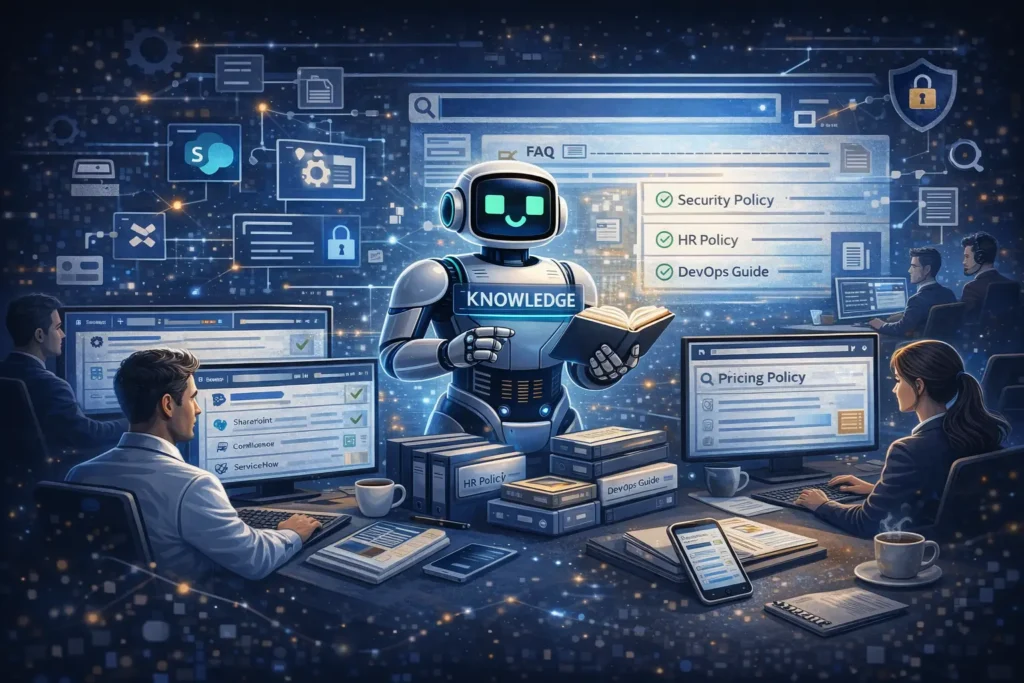






Banks do not lose their customers due to some particular dramatic moment that takes place within any branch. It usually happens quietly. A delayed reply. A confusing answer. A customer who once trusted the system begins to hesitate.
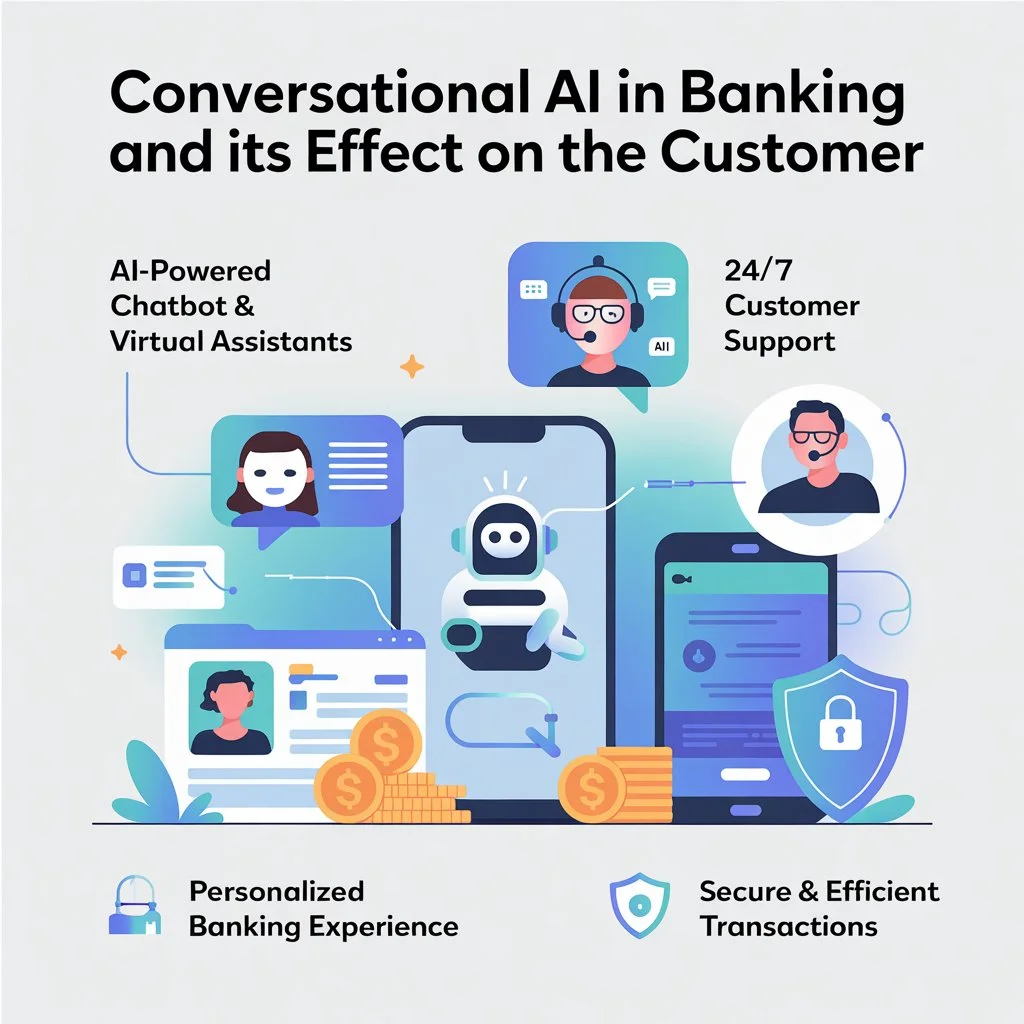
Amenity Technologies presents a case study that explores how a growing banking institution addressed these challenges with AI chatbot for banks. We design and offer a chatbot that can seamlessly handle human-like conversations, not scripted responses. The goal was not automation for its own sake, but to build a dependable banking chatbot that customers could trust and employees could rely on.
Amenity Technologies partnered with the bank to design a solution that balanced intelligence, compliance, and empathy. What followed was measurable growth, improved customer confidence, and a calmer internal support environment.
The Unpleasant Situation: Growing Expectations, Narrow Capacity
Our banking client had invested heavily in digital transformation. Highly functional mobile applications were widely used. Online services were expanding. In between these, customer expectations had shifted toward human support and crystal clear answers that can resolve their queries instantly.
However, the existing support model they were significantly relying on could not scale. Human agents were overwhelmed by repetitive queries from the customers, while earlier attempts at basic financial chatbots lacked the flexibility and intelligence needed to deliver meaningful value. Their valuable customers felt trapped in rigid flows. On the other hand, agents felt burdened rather than supported.
The leaders felt that they actually required more than a generic tool. They needed an intelligent chatbot for banking system operations that could grow with the institution.
The Core Challenge: Scaling Support Without Losing Trust
Banking conversations are sensitive by nature. Customers reach out when something feels wrong. A blocked card. A missing transaction. An unexpected alert.
The bank needed a solution that could:
- Manage high-volume inquiries reliably
- Keep up with regulatory and security standards
- Support natural language, not commands
- Escalate smoothly when human judgment was required
In short, their bank needed robust chatbots in banking that made their customers feel truly understood rather than being frustrated by mechanical responses.
Why They Trusted Amenity Technologies
The bank chose Amenity Technologies because we didn’t rush to sell a solution. We slowed things down and tried to understand what was actually happening inside the bank. How teams were handling pressure. How customers reacted when something went wrong. And where small issues kept turning into bigger frustrations.
Our expert chatbot development team spent time going through real customer conversations, not just dashboards or summaries. They listened to support agents explain what made their jobs challenging. That gave us a clear picture of what the bank really needed, not what looked good on paper.
The chatbot for banking we designed came from those insights. It focused on clarity, calm responses, and reliability. Over time, the bank saw Amenity Technologies not just as a vendor, but as a partner that understood the realities of building chatbots for finance.
Designing & Development of the AI Chatbot Solution
Built Around Real Banking Conversations
The starting point of designing the chatbot wasn’t a diagram or the long list of features. It was the reality of how customers reach out for support when something doesn’t feel right to them. It could be a transaction that looks wrong or an account that won’t load. Those moments tend to be rushed and emotional, and the AI-powered chatbot designed by our team had to respond in a way that felt steady and clear.
Context First Solutions, Not Scripts
We avoided rigid scripts. The chatbot was designed to follow the actual flow of a conversation, remember what had already been discussed, and respond naturally without making the customers repeat themselves. That alone removed a lot of frustration.
Deep Integration With Banking Systems
Our chatbot requires quick access to the critical information to handle the customer interaction smoothly. We connected it securely to core systems so it could check statuses and guide next steps, without cutting corners on compliance.
Smart Escalation
Under certain conditions, even a cutting-edge, intelligent chatbot cannot deliver the response the customer actually needs. This situation demands human interaction. The chatbot was designed to recognize those moments and step aside, passing context along so the conversation could continue smoothly.
Implementation: A Controlled Rollout
From the very beginning, everyone agreed that this whole chatbot implementation process couldn’t be rushed. Banking systems and customers don’t adapt well to sudden, large scale changes. So the implementation was carried out in small, deliberate steps.
We started with the areas causing the most daily strain to the support team of the bank. Generic but frequent questions, such as checking account balance, card-related concerns, or basic account queries. These were the interactions filling up queues and wearing teams down. Introducing the chatbot here gave the bank quick relief without introducing risk.
Once the system was live, our quality assurance team watched it closely. Not just dashboards, but real conversations. Where it helped. Where it hesitated. Where wording needed adjustment. Changes were made quietly, one at a time. The system proved flexible enough to support future chatbots for fintech expansion.
That careful pace was worth it. The chatbot settled in naturally and became part of everyday banking operations without causing any disruption.
The Actual Results: Clear, Measurable Impact
The change in the customer support didn’t arrive suddenly, surprising everyone. It showed up gradually, in everyday work. Support queues stopped piling up the way they used to. Agents weren’t jumping between the same questions all day. They had enough time to focus on other critical parts where human involvement was needed.
Customers noticed this change too. They weren’t waiting as long, and when they reached out, the answers came faster and made sense. Fewer follow-ups. Fewer complaints about delays.
Inside the bank, the whole environment shifted. The banking teams felt less stretched. Conversations became easier to manage. Over time, the chatbot stopped being “the new system” and simply became part of how customer support worked. The chatbot did its job quietly, and that’s what made the impact real.
Long-Term Value Beyond Customer Support
What worked well over time wasn’t a single metric or milestone, it was how often the chatbot started coming up in internal conversations. Teams noticed fewer repeat questions. Fewer back-and-forth emails. Less time spent explaining the same things again.
Slowly, the chatbot found its way into other areas where it simply made sense:
- Assisting new customers during their early learning phase
- Sharing updates before small issues became bigger ones
- Minimizing the load on teams already stretched thin
There was no formal expansion plan in the beginning. It just grew into those roles because it worked and people trusted it. Over time, the chatbot for banking became part of how the branches stayed clear and responsive as customer services changed, without adding more complexity to the system.
Build Scalable Chatbot Solutions With Our Team
At Amenity Technologies, we have a long list of renowned banking partners who are satisfied with our custom-designed chatbot solutions. You can be part of this list too. Contact us to know more about our AI-powered chatbots and request high-end services.